A few years ago, moving to the Bukit meant accepting that your nearest co-working space was a forty-minute scooter ride north. That is no longer true — and the options keep getting better.
The Bukit Has Caught Up
For a long time, Uluwatu's appeal was everything except the work infrastructure. The surf, the cliffs, the restaurants, the pace — all exceptional. But if you needed to take a call or hit a deadline, your options were a villa desk or a café with unreliable WiFi.
That has changed. Dedicated co-working spaces have opened on the Bukit. New ones continue to appear. The area is drawing the kind of remote workers and long-term residents who need more than a holiday setup, and the infrastructure is responding.
If you are settling into Uluwatu — or even just spending a few weeks here — there are now enough options that the real question is not where can I work but which setup suits the way I work.
What to Look For
Not every space works for every kind of work. Before committing to a spot, think about what your days actually require.
Reliable connection. Not "usually fine" — consistently reliable. If your work involves video calls, screen-sharing, or uploading large files, test the connection before you settle in.
Climate control. Bali is hot. An hour of creative work in the heat is romantic. A full day of it is miserable. Air conditioning, strong fans, or genuine shade with airflow — pick whichever works for you, but do not compromise on this.
The right kind of energy. Some people work best in a buzzing room with other laptops around them. Others need quiet. Know which one you are and choose accordingly.
Freedom to stay. The best work spaces do not make you feel like you are borrowing someone's table. Whether that means a day pass, a membership, or a setup where lingering is welcomed — you should be able to focus without watching the clock.
Your Options
Dedicated Co-Working Spaces
Uluwatu now has proper co-working spaces — places built specifically for remote work, with business-grade WiFi, desk setups, and the kind of environment designed for full working days.
Spaces like Lemanja and the recently opened Bwork (right on Labuansait) offer structured environments for people who want a clear separation between work mode and everything else. Desks, meeting areas, reliable internet, and a community of other remote workers — the classic co-working model, done well.
Best for: full working days, video calls, anyone who wants a professional environment and a routine.
Work-Friendly Cafés
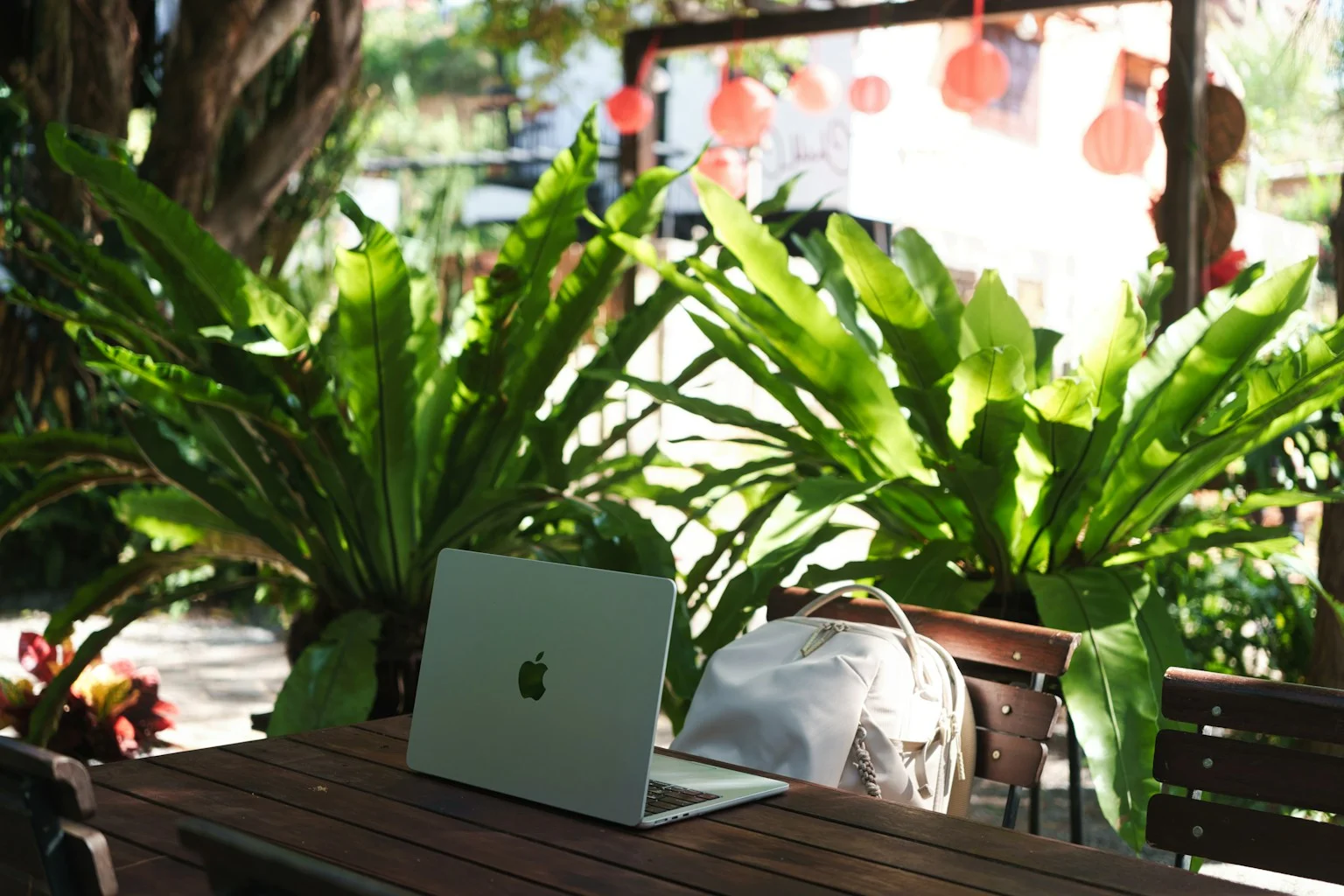
Uluwatu's café scene has matured, and several spots now cater to the laptop crowd with decent WiFi, power outlets, and enough space to spread out. They work well for lighter sessions — a morning of emails, writing, or creative work that does not depend on a flawless connection.
The trade-off is the same everywhere: cafés are hospitality businesses first. The WiFi is shared, the seating is designed for socialising, and there is an implicit expectation to keep ordering. For a morning, that is fine. For a full day, it starts to feel like you are overstaying.
Best for: creative work, light tasks, a change of scenery. Less ideal for calls or anything that needs an uninterrupted day.
Your Villa
Free, private, and always available. The villa desk is the default for a reason — until isolation sets in, the fridge becomes too convenient, and you realise you have not spoken to another person since yesterday.
Best for: deep focus work when you need absolute quiet. Not a long-term solution for most people.
The Hybrid Option
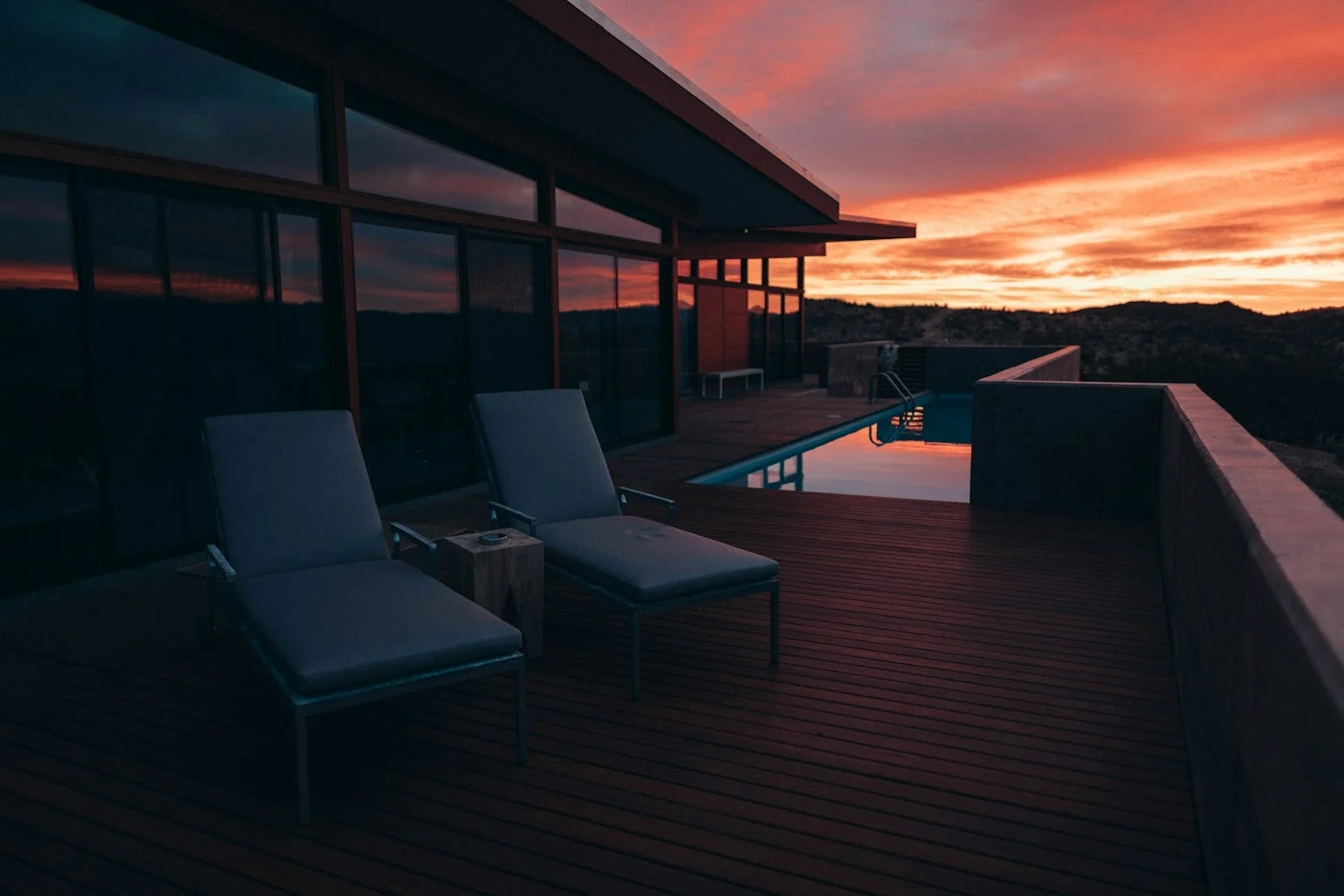
Then there are spaces that combine co-working with something else entirely. Rose Petal falls into this category — a beauty center with indoor and outdoor working areas, a lounge with complimentary coffee and cocktails, and a terrace that earns its keep at golden hour.
The pitch is not that it replaces a dedicated co-working space. It is that it offers something they cannot. Work for a few hours, step away for a facial or a manicure, come back to your laptop. End the day with a drink on the terrace instead of packing up and commuting to a bar. The beauty services, the lounge, and the workspace share the same space — so your workday can include things that usually require three separate trips.
It is a different model. Not better or worse than a traditional co-working setup — just built around a different idea of what a working day could look like.
Building a Routine
A few practical notes for anyone settling into remote work on the Bukit:
Rotate. The fastest way to burn out in Uluwatu is working from the same spot every day. Use a dedicated space for call-heavy days, a café for lighter creative mornings, and somewhere with a view when you need to think.
Work mornings, live afternoons. The Bukit's energy shifts after 3 PM — the light softens, the surf picks up, the restaurants come alive. Build your schedule around that rhythm rather than fighting it.
Have a backup connection. A local SIM with a solid data plan (Telkomsel or XL) costs almost nothing and saves you on the days when any WiFi has a bad moment.
Let yourself stop. The temptation with remote work in a beautiful place is to never fully stop working and never fully enjoy where you are. Pick a cut-off time. Close the laptop. Go watch the sunset. That is what you came here for.
Rose Petal is on Jalan Labuansait in Uluwatu, open daily from 9 AM to 8 PM. The co-working spaces, lounge, and terrace are open to everyone — no appointment needed. To visit, just walk in. For beauty treatments, book online or message us on WhatsApp.
Beauty, refined.